Types of wine
Wine sorts three ways: by colour, by how it is made, and by the named styles that carry a place or a method in their name.
By colour
4 types
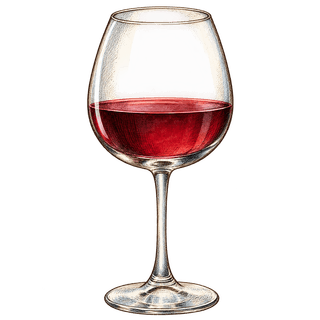 Red wineRed wine ferments the juice together with the grape skins. The skins give the colour and the tannin. Most red wine is dry, and it tastes best a little below room temperature.
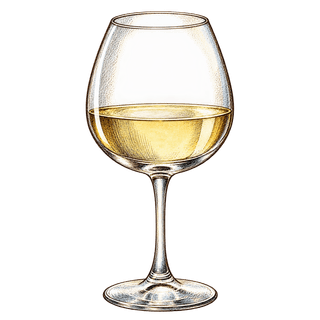 White wineWhite wine ferments pressed juice without the skins, so it carries little tannin. Styles run from lean and crisp to full and creamy, and from bone dry to sweet.
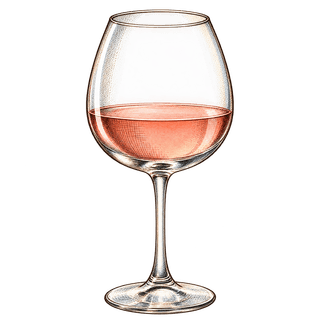 Rosé wineRosé takes a short skin contact from red grapes, from a few hours to a day, then ferments like a white. It is pale, fresh and mostly dry.
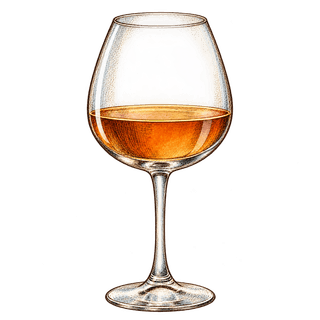 Orange wineOrange wine is white wine made like a red: the juice ferments on the skins for days or months. The result is amber, tannic and savoury.
By method
8 types
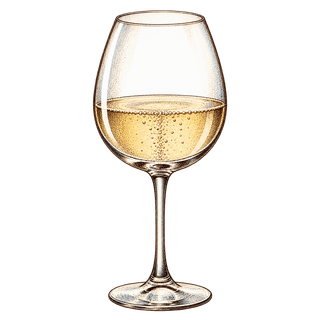 Sparkling wineSparkling wine holds dissolved carbon dioxide under pressure. A second fermentation in the bottle or in a tank makes the bubbles. Most sparkling wine is dry, and the label word tells you how dry.
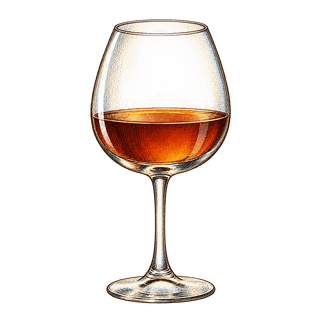 Fortified wineFortified wine gets a dose of grape spirit during or after fermentation. The spirit lifts the alcohol to 15 to 22%. When it is added early, it stops the yeast and leaves the wine sweet.
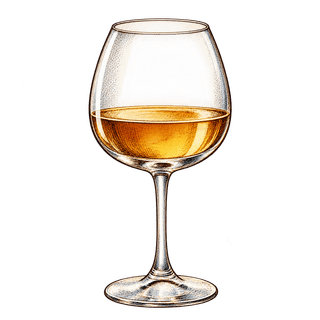 Dessert wineDessert wine is sweet enough to serve with or as dessert. The sugar comes from late picking, drying, noble rot, freezing or a stopped fermentation.
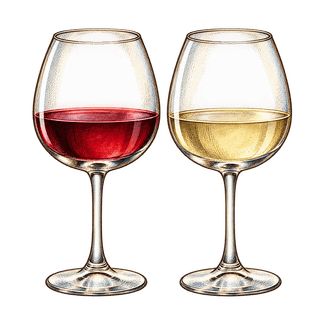 Table wineTable wine is the everyday class: still, unfortified wine for the table. In the European Union the term marks the lowest tier of the wine pyramid.
- Natural wineNatural wine is a movement, not a legal class. Growers farm organically, ferment with wild yeast and add little or no sulphur. Expect cloudiness and bottle variation.
- Varietal wineA varietal wine carries a single grape name on the label. The rules set a minimum share for that grape: 75% in the United States, 85% in the European Union and Australia.
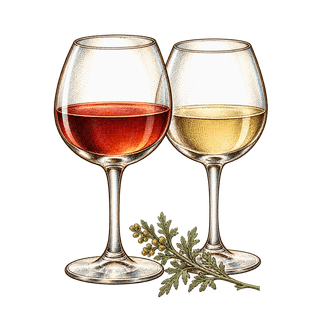 Aromatised wineAromatised wine is wine flavoured with herbs, roots, bark or spices, and usually fortified. Vermouth is the best-known member of the family.
- Late harvest wineLate harvest wine comes from grapes left on the vine past normal ripeness. The extra hang time raises the sugar, and the wine is sweet or off-dry.
Sparkling wines
8 types
- ChampagneChampagne is sparkling wine from the Champagne region, made by a second fermentation in the bottle. Chardonnay, Pinot Noir and Meunier make almost all of it.
- ProseccoProsecco is Italian sparkling wine from the Glera grape, made by a second fermentation in a sealed tank. It is fruity, soft and usually a little sweeter than Champagne.
- CavaCava is the traditional-method sparkling wine of Spain, mostly from Penedès. Macabeo, Xarel·lo and Parellada are the classic trio.
- CrémantCrémant is French traditional-method sparkling wine from outside Champagne: Alsace, Burgundy, the Loire, Limoux and others. Same method, local grapes, lower price.
- SektSekt is the German and Austrian word for sparkling wine. Most of it is tank-method wine from bought-in base wine. The best is bottle-fermented Riesling.
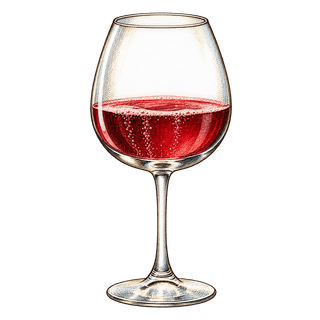 LambruscoLambrusco is a family of red grapes from Emilia-Romagna and the frothy red wine they make. Dry to sweet, low in alcohol, made for cured meats.
- AstiAsti is a sweet, fully sparkling Moscato from Piedmont, made by a single tank fermentation stopped part way. Fragrant and low in alcohol, for cake and fruit.
- FranciacortaFranciacorta is the traditional-method sparkling wine of Lombardy, the Italian answer to Champagne. Chardonnay leads, with Pinot Noir and Pinot Blanc.
Fortified wines
10 types
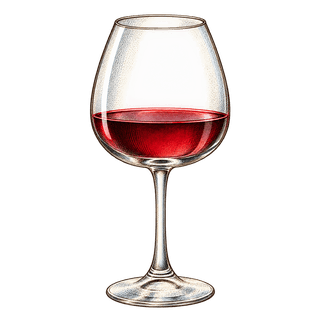 PortPort is a fortified wine from the Douro valley in Portugal. Grape spirit stops the fermentation early, so the wine stays sweet and reaches about 20% alcohol.
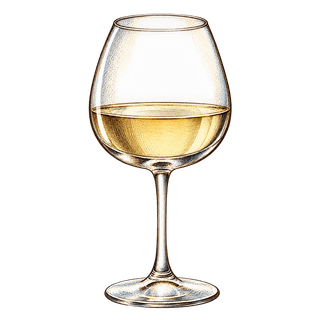 SherrySherry is a fortified wine from Jerez in Andalusia, from Palomino, Pedro Ximénez and Moscatel. Styles run from bone-dry Fino to black, syrupy PX.
- VermouthVermouth is an aromatised, fortified wine flavoured with wormwood and other botanicals. Dry vermouth is the French style; sweet vermouth is the Italian one.
- MadeiraMadeira is a fortified wine from the Portuguese island, heated during ageing. The heat gives caramel and nut; the acidity keeps it fresh for decades.
- MarsalaMarsala is the fortified wine of Sicily, from Grillo, Catarratto and Inzolia. It ranges from a dry aperitif to a sweet cooking wine.
- MálagaMálaga is a sweet fortified wine from southern Spain, from Pedro Ximénez and Moscatel. Dark and raisined; some versions add cooked grape syrup.
- AmontilladoAmontillado is a sherry that starts under flor like a Fino and then ages in contact with air. Amber, nutty and dry.
- ManzanillaManzanilla is a Fino aged in the seaside town of Sanlúcar de Barrameda. The damp air keeps the flor thick, and the wine is the palest and most saline sherry.
- OlorosoOloroso is a sherry fortified to about 17%, so no flor forms. It ages in contact with air and turns dark, nutty and rich. In its true form it is dry.
- FinoFino is the driest sherry: Palomino aged under a layer of flor yeast that shields the wine from air. Pale, bone dry, with a bread-and-almond tang.
Dessert wines
10 types
- Ice wineIce wine is pressed from grapes frozen on the vine, at about minus 8 °C or colder. The ice stays in the press, and a small, sweet, acidic juice runs off.
- TokajiTokaji is the botrytised sweet wine of north-east Hungary. Shrivelled Aszú berries steep in base wine. The puttonyos scale once measured how many baskets went in.
- CommandariaCommandaria is a sweet wine from Cyprus made from sun-dried Xynisteri and Mavro. It is one of the oldest named wines still in production.
- PassitoPassito wine comes from grapes dried on mats or racks after picking. The drying concentrates sugar and flavour. Most passito is sweet; Amarone is the dry exception.
- ProšekProšek is a sweet dessert wine from Dalmatia, made from sun-dried grapes. Despite the name it is unrelated to Prosecco.
- SauternesSauternes is a sweet white from Bordeaux. Botrytis, the noble rot, shrivels the grapes and concentrates the sugar. Sémillon leads the blend, with Sauvignon Blanc and Muscadelle.
- Vin santoVin Santo is the passito of Tuscany: Trebbiano and Malvasia dried over winter, then aged for years in small sealed casks. Amber, nutty and usually sweet.
- Moscato d'AstiMoscato d'Asti is a lightly fizzy, gently sweet wine from Piedmont. The fermentation stops early, so the alcohol stays near 5.5%.
- MuscatelMuscatel names any sweet wine from a Muscat grape, still or fortified. Expect grape, orange blossom and honey.
- TrockenbeerenausleseTrockenbeerenauslese is the top step of the German and Austrian sweetness ladder: individually picked, botrytis-shrivelled berries. Tiny yields, very sweet, low alcohol.
Named styles
24 types
- RetsinaRetsina is a Greek white wine flavoured with Aleppo pine resin during fermentation. The resin gives a piney, oily edge to a simple dry white.
- Beaujolais nouveauBeaujolais Nouveau is the Gamay of the year, released on the third Thursday of November, weeks after the harvest. Carbonic maceration makes it light, grapey and soft.
- BeaujolaisBeaujolais is Gamay from the granite hills south of Burgundy. The basic wines are light and fruity; the ten cru villages make serious reds that age.
- ChablisChablis is Chardonnay from the cool north of Burgundy, with little or no new oak. Lean, steely and mineral, with a flinty edge from the Kimmeridgian limestone.
- RiojaRioja is the classic red of Spain, Tempranillo-led and aged in American oak. Crianza, Reserva and Gran Reserva mark rising years in barrel and bottle.
- MuscadetMuscadet is a bone-dry white from the mouth of the Loire, from Melon de Bourgogne. The best is aged on its lees, and it is the classic oyster wine.
- Châteauneuf-du-PapeChâteauneuf-du-Pape is the flagship red of the southern Rhône, Grenache-led with up to 13 permitted grapes. Warm, spicy, full, at 14% and up.
- TxakoliTxakoli is a light, spritzy, high-acid white from the Basque coast, poured from a height into tumblers. Hondarrabi Zuri is the grape.
- Côtes du RhôneCôtes du Rhône is the everyday red of the Rhône valley: Grenache, Syrah and Mourvèdre, soft and peppery. Villages and the named crus sit above it.
- ClairetClairet is a dark rosé from Bordeaux, halfway to a light red. It is the wine the English once called claret.
- HockHock is the old British word for German white wine from the Rhine, after the town of Hochheim. Today it names a simple, light, semi-sweet blend.
- Pouilly-FuméPouilly-Fumé is Sauvignon Blanc from the east bank of the Loire, opposite Sancerre. The name refers to the smoky, flinty note from the soils.
- ChinonChinon is Cabernet Franc from the Loire: raspberry, pencil shavings and a leafy edge, light to medium in body.
- ChiantiChianti is Sangiovese from Tuscany, at least 70% of the blend. Cherry, dried herbs, firm acid and dusty tannin. Classico is the historic heartland.
- BaroloBarolo is 100% Nebbiolo from a cluster of villages south-west of Alba. Pale colour, powerful tannin, high acid, tar and roses. It needs years in the bottle.
- BarbarescoBarbaresco is Nebbiolo from the hills east of Alba. It is the neighbour of Barolo, a little earlier to soften, with the same tar and rose perfume.
- AmaroneAmarone della Valpolicella is a dry red from grapes dried for months before fermentation. Full and warm, with dried cherry and chocolate, at 15% or more.
- Brunello di MontalcinoBrunello di Montalcino is 100% Sangiovese from the warm hill town of Montalcino. Deeper and more structured than Chianti, released after five years.
- BordeauxBordeaux is the blended red of south-west France: Cabernet Sauvignon on the gravel of the Left Bank, Merlot on the clay of the Right Bank. Dry whites and Sauternes come from the same region.
- BurgundyBurgundy is Pinot Noir and Chardonnay from a narrow strip of eastern France. The land, not the grape, goes on the label, from regional wine up to grand cru.
- SancerreSancerre is Sauvignon Blanc from the upper Loire: flinty, grassy, gooseberry, bone dry. A little Pinot Noir red and rosé is made too.
- Vinho VerdeVinho Verde is a light, spritzy, low-alcohol white from north-west Portugal. Alvarinho and Loureiro make the best single-grape versions.
- SoaveSoave is a dry white from Garganega grown east of Verona. Almond, pear and a saline edge; the Classico hills make the best.
- ValpolicellaValpolicella is the light, cherry-scented red of Verona from Corvina, Rondinella and Molinara. Ripasso and Amarone are its richer siblings.
Other
4 types
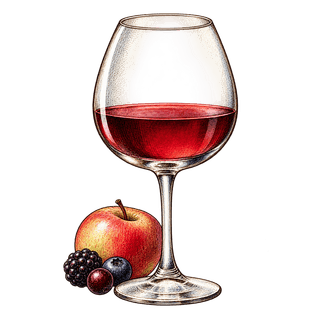 Fruit wineFruit wine is fermented from fruit other than grapes: apples, plums, cherries, berries. Sugar is often added, because most fruit carries less of it than grapes.
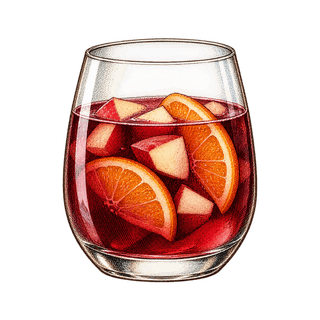 SangriaSangria is a Spanish punch of red wine, chopped fruit, a sweetener and often brandy or soda. Serve it cold over ice.
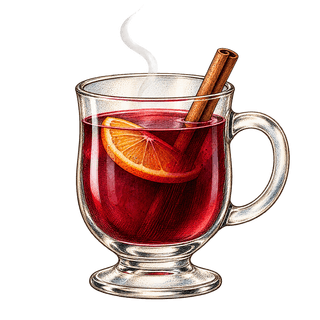 Mulled wineMulled wine is red wine heated with sugar, citrus and spices such as cinnamon, clove and star anise. Glühwein is the German version.
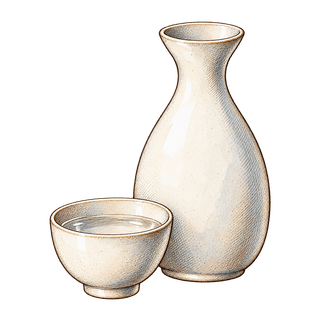 SakeSake is brewed from rice, water, koji mould and yeast. It is not a wine by process, but it sits on wine lists and is sold beside wine.